
You are using an out of date browser. It may not display this or other websites correctly.
You should upgrade or use an alternative browser.
You should upgrade or use an alternative browser.
Ulcerative Colitis / IBD
- Thread starter HerrFisch
- Start date

mattyb
Moderator
- Messages
- 833
We had a discussion in raven's thread about progesterone levels in healthy young men. There really haven't been many studies that have actually looked at that - so we don't really have great reference ranges for this population. Small deviations out of range might not mean much. Your prolactin might not mean much either, since 20 ng/mL is often defined as the range necessary for hyperprolactinemia.
I don't mean to be dismissive about the results, but I just think with some borderline results like that when reference ranges are questionable it might mean retesting is worthwhile.
But yeah, those electrolyte ranges make no sense. That would put your sodium at 85 mmol/L, which would mean you are dead haha. Normal values are like 140 +/- 5 mmol/L.
I don't mean to be dismissive about the results, but I just think with some borderline results like that when reference ranges are questionable it might mean retesting is worthwhile.
But yeah, those electrolyte ranges make no sense. That would put your sodium at 85 mmol/L, which would mean you are dead haha. Normal values are like 140 +/- 5 mmol/L.

- Messages
- 5,415

Really interesting read Gbolduev, thank you for that. I noticed the following remark from the article about the effectiveness of histidine. The author seems to have respect for it:
“In fact, histidine is such a powerful chelator
of heavy metals and minerals that it should probably be used only
under medical supervision lest a deficiency of necessary minerals be
created.”

HerrFisch
Well-Known Member
- Messages
- 1,064
Update:
My Copper went down from 16.2 to 8. Its still higher than the scale but its going in the right direction
Significant changes also are:
Calcium 81 -> 55
Zinc 13 -> 18
Phosphorus 13 ->18
Sulfur 4630 ->5454
According to @m_arch Summary on Mineral Ratios , my metabolic rate (Ca/P) is now in range, and thyroid ratio (Ca/K) got better too. Maybe my TSH will be lower next time too?.
View attachment 148
View attachment 149
Old ones from September / October
View attachment 150View attachment 151
Maybe MSM or sulfur could be a good addon while chelating copper. I think it prevents diarrhea from copper.
HerrFisch
Well-Known Member
- Messages
- 1,064
Glycoaminoglycan (GAG) deficiency in protective barrier as an underlying, primary cause of ulcerative colitis, Crohn's disease interstitial cystiti... - PubMed - NCBI
https://www.ncbi.nlm.nih.gov/pmc/articles/PMC1411386/pdf/gut00472-0059.pdf
Pretty interesting this whole "gag" thing.
But I think I need to read that think again like 5 times
glycosaminoglycans and protection of mucin layer.
N-Acetylglucosamine for Treatment of Inflammatory Bowel Disease
.
Last edited:
HerrFisch
Well-Known Member
- Messages
- 1,064
HerrFisch
Well-Known Member
- Messages
- 1,064
1:
"Of note is that 5-ASA, a proven therapeutic agent in UC, reduces the fermentative production of sulphide. Also noteworthy is that sulphate-reducing bacteria are increased in active UC. Finally, attacks of colitis are often presaged by intake of foods that lead to high levels of sulphide in the colon"
Nitric oxide also has a disabling effect on β-oxidation of butyrate, the chief respiratory fuel of colonocytes.
Prolonged exposure of NO is more likely to occur in the distal colon and by bacteria trapped in the appendiceal lumen. Consequent on the initiation of the failed barrier by bacterial nitric oxide production, bacterial translocation to the lamina propria stimulates the immune cells to release cytokines and activate the production of nitric oxide by immune cells, which perpetuates the injury of the epithelial barrier.
Protection against nitric oxide in colonocytes would primarily be mediated by glutathione (Figure. 3) long known to inactivate organic nitrates107 through the formation of S-nitrosoglutathione. Glutathione levels are low in active UC, but ‘oxidized’ glutathione levels are elevated. The usual explanation for low glutathione levels is a failure of ‘redox’ control but it could also be an overwhelming production of nitric oxide in active inflammation.
Reduction in sulphur protein intake in attacks of UC may improve UC. In a randomized controlled dietary study designed to reduce intake of sulphur compounds in UC a highly significant relationship was found between the intake of sulphited foods and disease activity.
Combining both a prebiotic with a probiotic, known as synbiotics, has the potential appeal of combining the benefits of both categories but principally as adjunctive therapy.124 A randomized controlled pilot trial of synbiotics125 using inulin oligofructose with Bifidobacterium longum has shown much promise.
2:
Several anaerobic bacterial strains (Escherichia coli, Salmonella enterica, Clostridia and Enterobacter aerogenes) convert cysteine to H2S, pyruvate and ammonia by cysteine desulfhydrase [69,70]. In addition, gut bacteria may produce H2S by sulfite reduction. Sulfite reductase is present in many species such as E. coli, Salmonella, Enterobacter, Klebsiella, Bacillus, Staphylococcus, Corynebacterium, and Rhodococcus
3:
Anaerobic nitrate respiration yields nitrite, nitric oxide (NO) and nitrous oxide. Colonic bacteria produce NO and UC in remission has a higher lumenal NO level than control cases. NO with sulphide, but not NO alone, impairs β-oxidation, lipid and protein synthesis explaining the membrane, tight junctional and ion channel changes observed in colonocytes of UC. The prolonged production of bacterial NO with sulphide can explain the initiation and barrier breakdown, which is central to the pathogenesis of UC. Therapies to alter bacterial nitrate respiration and NO production need to evolve.
Any idea on the reason for increased sulfur / sulphate reducing bacteria? Second order effect ?
In this context, cystein would be bad in a flareup.
Isnt knowing what happens afterwards, the way to finding a treatment? @mattyb
Maybe what happens afterwards is the reason to develop UC or get into that "vicious" circle?
Maybe it all starts with abdominal influenza and some with predisposal or "bad luck" will get UC and some not.
Everybody can experience exposure to environmental/solar radiation or some kind of toxin. But not everyone will develop UC.
I think thats why its important to know whats different between UC and healthy.
"Of note is that 5-ASA, a proven therapeutic agent in UC, reduces the fermentative production of sulphide. Also noteworthy is that sulphate-reducing bacteria are increased in active UC. Finally, attacks of colitis are often presaged by intake of foods that lead to high levels of sulphide in the colon"
Nitric oxide also has a disabling effect on β-oxidation of butyrate, the chief respiratory fuel of colonocytes.
Prolonged exposure of NO is more likely to occur in the distal colon and by bacteria trapped in the appendiceal lumen. Consequent on the initiation of the failed barrier by bacterial nitric oxide production, bacterial translocation to the lamina propria stimulates the immune cells to release cytokines and activate the production of nitric oxide by immune cells, which perpetuates the injury of the epithelial barrier.
Protection against nitric oxide in colonocytes would primarily be mediated by glutathione (Figure. 3) long known to inactivate organic nitrates107 through the formation of S-nitrosoglutathione. Glutathione levels are low in active UC, but ‘oxidized’ glutathione levels are elevated. The usual explanation for low glutathione levels is a failure of ‘redox’ control but it could also be an overwhelming production of nitric oxide in active inflammation.
Reduction in sulphur protein intake in attacks of UC may improve UC. In a randomized controlled dietary study designed to reduce intake of sulphur compounds in UC a highly significant relationship was found between the intake of sulphited foods and disease activity.
Combining both a prebiotic with a probiotic, known as synbiotics, has the potential appeal of combining the benefits of both categories but principally as adjunctive therapy.124 A randomized controlled pilot trial of synbiotics125 using inulin oligofructose with Bifidobacterium longum has shown much promise.
2:
Several anaerobic bacterial strains (Escherichia coli, Salmonella enterica, Clostridia and Enterobacter aerogenes) convert cysteine to H2S, pyruvate and ammonia by cysteine desulfhydrase [69,70]. In addition, gut bacteria may produce H2S by sulfite reduction. Sulfite reductase is present in many species such as E. coli, Salmonella, Enterobacter, Klebsiella, Bacillus, Staphylococcus, Corynebacterium, and Rhodococcus
3:
Anaerobic nitrate respiration yields nitrite, nitric oxide (NO) and nitrous oxide. Colonic bacteria produce NO and UC in remission has a higher lumenal NO level than control cases. NO with sulphide, but not NO alone, impairs β-oxidation, lipid and protein synthesis explaining the membrane, tight junctional and ion channel changes observed in colonocytes of UC. The prolonged production of bacterial NO with sulphide can explain the initiation and barrier breakdown, which is central to the pathogenesis of UC. Therapies to alter bacterial nitrate respiration and NO production need to evolve.
Any idea on the reason for increased sulfur / sulphate reducing bacteria? Second order effect ?
In this context, cystein would be bad in a flareup.
ROS/fission is the first response. What happens afterwards, although interesting, is much less relevant for finding a treatment.
Isnt knowing what happens afterwards, the way to finding a treatment? @mattyb
Maybe what happens afterwards is the reason to develop UC or get into that "vicious" circle?
Maybe it all starts with abdominal influenza and some with predisposal or "bad luck" will get UC and some not.
Everybody can experience exposure to environmental/solar radiation or some kind of toxin. But not everyone will develop UC.
I think thats why its important to know whats different between UC and healthy.
HerrFisch
Well-Known Member
- Messages
- 1,064
N-acetylcysteine (NAC), the precursor of cysteine, is rapidly metabolized by the gut to generate GSH [102], and improve intestinal bacteria with an increase in Lactobacillus and Bifidobacterium counts and a decrease in Escherichia coli count.
Therapeutic Potential of Amino Acids in Inflammatory Bowel Disease
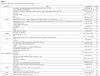
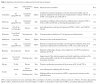
Therapeutic Potential of Amino Acids in Inflammatory Bowel Disease
mattyb
Moderator
- Messages
- 833
1:
Isnt knowing what happens afterwards, the way to finding a treatment? @mattyb
Maybe what happens afterwards is the reason to develop UC or get into that "vicious" circle?
Maybe it all starts with abdominal influenza and some with predisposal or "bad luck" will get UC and some not.
Everybody can experience exposure to environmental/solar radiation or some kind of toxin. But not everyone will develop UC.
I think thats why its important to know whats different between UC and healthy.
I think there are a large variety of contributing factors that set the stage for the development of UC and these factors vary wildly between people, and things like solar irradiation can be the inciting event for it to happen. But ultimately, the end result is the same - you get mitochondrial fragmentation brought on by ROS exposure. I think it is super important to clean up the mitochondria before worrying about other therapies or other dysfunctions, because you literally cannot rescue the function of anything as long as mitochondria are defective. Like I said when posting in the zinc finger thread today, most intermediate byproducts of metabolism regulate strongly the balance of amino acids, minerals, etc. because their substrates are involved in bi-directional reactions. As an example, if oxaloacetate is low, the body won't have substrate to synthesize about 4-6 amino acids, and you'll develop a deficiency. If normal metabolism is disrupted through fragmentation, then trying to balance things while it's dysfunctional will be for nothing. In my eyes, almost everyone that is looked at who has something like UC will present with mitochondrial fragmentation, but above that there will be massive variation in heavy metals, mineral content, amino acids, inflammatory parameters, etc. It's the ultimate commonality between most inflammatory conditions, and it makes physiological sense because it's a preliminary signal which activates the immune system under normal infections.
My perspective is that you fix the deepest level of the problem first and then work your way upwards from there, otherwise you will be stuck with treatments that never really cure the inherent problem, because the underlying dysfunction will always be present and constantly tipping things out of balance. If a person had exposure to lead (or any heavy metal) that caused their UC I would tell them to chelate it until the lead is out of their system and avoid getting any more exposures, because that is the underlying dysfunction. Then I would tell them to focus on restoring mitochondrial fusion. Then I would tell them to focus on renourishing the body to build up better defenses for next time.
Fasting is a good bet because it takes care of multiple possible root causes - it chelates, it protects from irradiation, it kills harmful pathogens, and it promotes autophagy/fusion.
HerrFisch
Well-Known Member
- Messages
- 1,064
What is you guys thoughts on Serotonin?
Obviously its not as easy as good or bad. But when I first started searching for help on RPF, everybody just said Serotonin is the worst and always the reason for gut problems.
I once tried 5htp and it did not make UC worse. But I cant really tell if it did help with IBS. Maybe a bit.
My dietary intake of tryptophan is really low.
Without folate (+tryptophan) there wont be serotonin.
"among IBD patients, lower tryptophan levels were significantly correlated with increased disease activity."
Serotonin & tryptophan is similar to histidine & histamine. Both are inhibitory in itself (histidine for HDC and tryptophan for HDP)
Tryptophan -> Serotonin (Tryptophan hydroxylase)
Tryptophan -> Melatonin(N acetyl transferase)
Tryptophan -> Niacin
Niacin and Melatonin are both used supplements for UC too.
Maybe its similar to histidine with upregulated HSD.
Minireview: Gut Microbiota: The Neglected Endocrine Organ | Molecular Endocrinology | Oxford Academic
Monitoring tryptophan metabolsim in chronic immune activation
ACE2 AA malnutrition microbial ecology and intestinal inflammation
Tryptophan catabolism and regulation of adaptive immunity
Tryptophan: A gut microbiotia derived metabolites regulating inflammation
Protective effect of tryptophan against dss induced experimental colitis
low dietary tryptophan and reduction in antimicrobial peptides
Recent advances in inflammatory bowel disease: mucosal immune cells in intestinal inflammation
TRYPTOPHAN REDUCES INTESTINAL INFLAMMATION
Obviously its not as easy as good or bad. But when I first started searching for help on RPF, everybody just said Serotonin is the worst and always the reason for gut problems.
I once tried 5htp and it did not make UC worse. But I cant really tell if it did help with IBS. Maybe a bit.
My dietary intake of tryptophan is really low.
Without folate (+tryptophan) there wont be serotonin.
"among IBD patients, lower tryptophan levels were significantly correlated with increased disease activity."
Serotonin & tryptophan is similar to histidine & histamine. Both are inhibitory in itself (histidine for HDC and tryptophan for HDP)
Tryptophan -> Serotonin (Tryptophan hydroxylase)
Tryptophan -> Melatonin(N acetyl transferase)
Tryptophan -> Niacin
Niacin and Melatonin are both used supplements for UC too.
Maybe its similar to histidine with upregulated HSD.
Minireview: Gut Microbiota: The Neglected Endocrine Organ | Molecular Endocrinology | Oxford Academic
Monitoring tryptophan metabolsim in chronic immune activation
ACE2 AA malnutrition microbial ecology and intestinal inflammation
Tryptophan catabolism and regulation of adaptive immunity
Tryptophan: A gut microbiotia derived metabolites regulating inflammation
Protective effect of tryptophan against dss induced experimental colitis
low dietary tryptophan and reduction in antimicrobial peptides
Recent advances in inflammatory bowel disease: mucosal immune cells in intestinal inflammation
TRYPTOPHAN REDUCES INTESTINAL INFLAMMATION
HerrFisch
Well-Known Member
- Messages
- 1,064
https://www.ncbi.nlm.nih.gov/pmc/articles/PMC3108661/
A case study of a 37-year-old male with a 22-year history of Crohn’s disease whose clinical course had experienced no sustained remissions. The patient was treated with a protocol that utilized serotonin and dopamine amino acid precursors administered under the guidance of organic cation transporter assay interpretation.
Within 5 days of achieving the necessary balance of serotonin and dopamine, the patient experienced remission of symptoms. This remission has been sustained without the use of any Crohn’s disease medications.
The patient was then taking the following in divided daily doses: 600 mg 5-HTP, 7000 mg L-tyrosine, 240 mg L-dopa, and 4500 mg L-cysteine with cofactors.
The gastroenterologist reported that for the first time in 10 years of caring for the patient, the Crohn’s disease was in complete remission. This finding was verified by the pathologist after review of tissue samples submitted.
But maybe 4500mg Cysteine would have worked too.
A case study of a 37-year-old male with a 22-year history of Crohn’s disease whose clinical course had experienced no sustained remissions. The patient was treated with a protocol that utilized serotonin and dopamine amino acid precursors administered under the guidance of organic cation transporter assay interpretation.
Within 5 days of achieving the necessary balance of serotonin and dopamine, the patient experienced remission of symptoms. This remission has been sustained without the use of any Crohn’s disease medications.
The patient was then taking the following in divided daily doses: 600 mg 5-HTP, 7000 mg L-tyrosine, 240 mg L-dopa, and 4500 mg L-cysteine with cofactors.
The gastroenterologist reported that for the first time in 10 years of caring for the patient, the Crohn’s disease was in complete remission. This finding was verified by the pathologist after review of tissue samples submitted.
But maybe 4500mg Cysteine would have worked too.
HerrFisch
Well-Known Member
- Messages
- 1,064
@gbolduev
I took carnosine for 2 weeks and I had no problems and even slight improvements with it. And last week I tried histidine and got diarrhea since then. I speculate it has something to do with copper / copper toxicity? Vitamin C and MSM helps for some time. But it comes back.
Pretty weird because if you search for histidine, its always claimed to cause constipation.
But I heard others had similar problems with histidine? @Nina ?
Essential amino acid histidine and colitis | ICAAS, International Council on Amino Acid Science
I took carnosine for 2 weeks and I had no problems and even slight improvements with it. And last week I tried histidine and got diarrhea since then. I speculate it has something to do with copper / copper toxicity? Vitamin C and MSM helps for some time. But it comes back.
Pretty weird because if you search for histidine, its always claimed to cause constipation.
But I heard others had similar problems with histidine? @Nina ?
Essential amino acid histidine and colitis | ICAAS, International Council on Amino Acid Science

Orion
Well-Known Member
- Messages
- 879
@gbolduev
I took carnosine for 2 weeks and I had no problems and even slight improvements with it. And last week I tried histidine and got diarrhea since then. I speculate it has something to do with copper / copper toxicity? Vitamin C and MSM helps for some time. But it comes back.
Pretty weird because if you search for histidine, its always claimed to cause constipation.
But I heard others had similar problems with histidine? @Nina ?
Essential amino acid histidine and colitis | ICAAS, International Council on Amino Acid Science
Histidine raises histamine, copper is needed to breakdown histamine... taking histidine would deplete copper?
HerrFisch
Well-Known Member
- Messages
- 1,064
Histidine raises histamine, copper is needed to breakdown histamine... taking histidine would deplete copper?
Thats what I was hoping for.
My histamine is too high. And copper in Hair test too. But in blood too low. Thats why I thought, that I am copper toxic and need to lower my copper to make it bioavailable again.
And if it is bioavailable, it can help break down histamine.
Methylation is low too, so there is plenty of histamine ready to be broken down.
With low copper, there is high mast cell activation.
BTW has anyone ever heard of Chronic inflammation Response Syndrome?
HerrFisch
Well-Known Member
- Messages
- 1,064
So copper toxicity ->/= copper deficiency?but copper toxicity in the cell would cause low histamines and low histidine, which can also lead to eczema. and dry flaking skin
Im still not really sure how to assess my extrem high copper levels on the hair test.
According to my blood test my copper is low. So I woud say its too high and therefore biounavailable + copper deficiency. That would fit in with high histamine.
But it could be low copper only as well. That would lead to high histamine too.
So chelate or supplement?
HerrFisch
Well-Known Member
- Messages
- 1,064
@mattyb
Block HDC with something like quercetin or EGCG -> more histidine available -> copper can work -> copper can help breaking down histamine?
Maybe its not only the histidine missing, but the inflammation increasing HDC 10fold and therefore missing histidine for copper to work.
So instead of increasing histidine and with that probably histamine, trying to block HDC to get back to normal levels?
Maybe thats the problem of chronic inflammation.
(ofc lowering ROS and H2o2 would do that through fasting too | and of course only one piece)
Block HDC with something like quercetin or EGCG -> more histidine available -> copper can work -> copper can help breaking down histamine?
Maybe its not only the histidine missing, but the inflammation increasing HDC 10fold and therefore missing histidine for copper to work.
So instead of increasing histidine and with that probably histamine, trying to block HDC to get back to normal levels?
Maybe thats the problem of chronic inflammation.
(ofc lowering ROS and H2o2 would do that through fasting too | and of course only one piece)