
You are using an out of date browser. It may not display this or other websites correctly.
You should upgrade or use an alternative browser.
You should upgrade or use an alternative browser.
Ulcerative Colitis / IBD
- Thread starter HerrFisch
- Start date

HerrFisch
Well-Known Member
- Messages
- 1,064
We once talked about b6 depletion. Because of HDC being b6 dependent.
What kind of confuses me is that you need b6 for Cystathionine beta syntase for cysteine from homocysteine, you need it for active folate and riboflavine.
High homocysteine is a risk factor in UC. And Cysteine, Folate and Riboflavine is often missing or low.
So b6 is probably mostly shunted to HDC ?
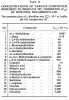
What I found for HDC:
I always think of what would happen when doing the exact opposite to fasting. Like increasing metabolism even more. To push methylation, cortisol production etc etc. (Still thinking if mitochondrial fission is maybe not the bad one?)
What kind of confuses me is that you need b6 for Cystathionine beta syntase for cysteine from homocysteine, you need it for active folate and riboflavine.
High homocysteine is a risk factor in UC. And Cysteine, Folate and Riboflavine is often missing or low.
So b6 is probably mostly shunted to HDC ?
What I found for HDC:
I always think of what would happen when doing the exact opposite to fasting. Like increasing metabolism even more. To push methylation, cortisol production etc etc. (Still thinking if mitochondrial fission is maybe not the bad one?)
HerrFisch
Well-Known Member
- Messages
- 1,064
That's a really good question!
Antihistamines would be great for mid-flare. The problem is when you go off usually the body is more sensitized to histamine. But if you went off and mid-fast (even a short 3 day fast) I would imagine the histamine would have limited ability to exercise it's function since immune cells wouldn't have sufficient energy to function and would be getting consumed via autophagy.
Epicatechin gallate was the first thing that came up when I looked up dietary HDC inhibitors. It's very high in green tea and carob flour, and also found in buckwheat, grapes, blackberries, and apples.
That was a question I had early on. What inverse Histamine receptor agonist would do.
I guess histamine receptor antagonists would be bad, but inverse agonists?, wouldnt that be similar to resveratrol and estrogen?

mattyb
Moderator
- Messages
- 833
We once talked about b6 depletion. Because of HDC being b6 dependent.
What kind of confuses me is that you need b6 for Cystathionine beta syntase for cysteine from homocysteine, you need it for active folate and riboflavine.
High homocysteine is a risk factor in UC. And Cysteine, Folate and Riboflavine is often missing or low.
So b6 is probably mostly shunted to HDC ?
What I found for HDC:
View attachment 224
I always think of what would happen when doing the exact opposite to fasting. Like increasing metabolism even more. To push methylation, cortisol production etc etc. (Still thinking if mitochondrial fission is maybe not the bad one?)
B6 is used up through various pathways during inflammation, not just HDC.
As far as increasing metabolism, again, we come back to fasting, which does reliably increase metabolism acutely. Metabolism will significantly increase in the early stages of fasting, peaking somewhere between 48-72 hours. Afterwards it starts dipping down below. This is why I think those short fasts are worth experimenting with. They will get methylation and cortisol production really going. I've said this elsewhere, all different types and durations of fasting have different effects.
If we wanted to try other approaches, like dosing T3, it could help. But I don't know how long you would need to be on it in order to see positive effects, and if that length of time of being on supplemental T3 would have long term impacts, not even considering all the things it will imbalance in the short term (e.g. selenium, cysteine, SODs, SORs, etc.). Lots of the artificial ways of raising metabolism can be pretty toxic if done for too long and not accounted for. It also all requires eating a ton, which will put strain on the digestive tract - not so good for UC. The nice thing about even these approaches is that if metabolism is pushed super high and is pressuring the body, it will force the body to increase mito/auto-phagy.
HerrFisch
Well-Known Member
- Messages
- 1,064
I do have UC, but I can eat what ever I feel generally.. I dont suffer that much of bloating. I just have UC and it hurts when it is active.
The main question is: other people who got improvements in PFS did they cut out carbos complitelly as well?
Stupid question @wuf , but do you really experience "pain" when your UC is active?
Pain? I die everytime i go to the toilette. i go like 20 times per day plus each time it's like a new Birth.Stupid question @wuf , but do you really experience "pain" when your UC is active?
once finished at toiled, i have lost so much blood that i barely have the power of stand up.
HerrFisch
Well-Known Member
- Messages
- 1,064
Pain? I die everytime i go to the toilette. i go like 20 times per day plus each time it's like a new Birth.
once finished at toiled, i have lost so much blood that i barely have the power of stand up.
Interesting, and besides pain while on toilet , do you have any permanent pains while flaring?
Btw how bad spread is you UC? Did your doc tell you that? (Only descending colon or up to ascending colon?)
well you feel 20 times per day you need to defecate cause the blood is stucking inside and when it is full you suddenly feel it and need to put it out...this is very disturbing and gives pain for sure, at abdominal area and at colon as well.Interesting, and besides pain while on toilet , do you have any permanent pains while flaring?
Btw how bad spread is you UC? Did your doc tell you that? (Only descending colon or up to ascending colon?)
i dont know about spread. what is it?
HerrFisch
Well-Known Member
- Messages
- 1,064
@wuf yes thats sounds similar to what I experience too.
With spread I meant where your UC is located. In some people with UC inflammation or the disease itself is located only at the bottom of the colon, some have the whole colon infected and in some it even goes up to the stomach. Esophagus in some cases too.
With spread I meant where your UC is located. In some people with UC inflammation or the disease itself is located only at the bottom of the colon, some have the whole colon infected and in some it even goes up to the stomach. Esophagus in some cases too.
mine is located at last 10 cm colon bottom@wuf yes thats sounds similar to what I experience too.
With spread I meant where your UC is located. In some people with UC inflammation or the disease itself is located only at the bottom of the colon, some have the whole colon infected and in some it even goes up to the stomach. Esophagus in some cases too.
HerrFisch
Well-Known Member
- Messages
- 1,064
Indoleamine 2,3-dioxygenase expression in human inflammatory bowel disease.
Indoleamine 2,3 dioxygenase (IDO) in Intestinal Disease
Trying to understand IDO's role in inflammation right now. It is obviously overexpressed in UC and Crohns.
As well in all cancers overexpressed IDO.
Apparently IDO can suppress T, and activate T reg cells and T supressor cells.
Its the enzyme for the kynurenine pathway of tryptophan metabolism.
So 1 way is tryptophane -> IDO -> kynurenine pathway
2 way is tryptophane -> 5htp ->Serotonin, melatonin etc.
If IDO is overexpressed tryptophan is broken down and is getting depleted.
Metabolites of IDO is Nitric oxide synthase.
+ depletion of tryptophane causes halted growth of microbes and T cells.
If IDO can suppress T and activate T supressor cells, so its immunsupressive.
So probably best to lower this (IDO) in case of cancer, but it seems more like it would activate the immune system even more in UC.
"IDO1 was also evaluated in two other colitis models with some relevance to IBD. Jasperson demonstrated a role for IDO1 in a model of graft versus host disease. He found IDO1 upregulation particularly apparent in the colonic epithelium of WT mice with disease and showed that IDO1−/− mice exhibited greater colitis severity, T-cell infiltration and mortality."
Indoleamine 2,3 dioxygenase (IDO) in Intestinal Disease
Trying to understand IDO's role in inflammation right now. It is obviously overexpressed in UC and Crohns.
As well in all cancers overexpressed IDO.
Apparently IDO can suppress T, and activate T reg cells and T supressor cells.
Its the enzyme for the kynurenine pathway of tryptophan metabolism.
So 1 way is tryptophane -> IDO -> kynurenine pathway
2 way is tryptophane -> 5htp ->Serotonin, melatonin etc.
If IDO is overexpressed tryptophan is broken down and is getting depleted.
Metabolites of IDO is Nitric oxide synthase.
+ depletion of tryptophane causes halted growth of microbes and T cells.
If IDO can suppress T and activate T supressor cells, so its immunsupressive.
So probably best to lower this (IDO) in case of cancer, but it seems more like it would activate the immune system even more in UC.
"IDO1 was also evaluated in two other colitis models with some relevance to IBD. Jasperson demonstrated a role for IDO1 in a model of graft versus host disease. He found IDO1 upregulation particularly apparent in the colonic epithelium of WT mice with disease and showed that IDO1−/− mice exhibited greater colitis severity, T-cell infiltration and mortality."
Last edited:
HerrFisch
Well-Known Member
- Messages
- 1,064
Interferon Gamma ((IFNγ) looks pretty interesting. Seems like upregulation of this starts the whole response to pathogens.
It starts with producing more h2o2, ROS, restricting Iron (making in biounavailable), excessively producing cytokines.
Maybe there is a disregulation between IFN & its regulator "intracellular protein suppressor of cytokine signaling-1" (SOCS1).
Therefore regulation between enhanced immunity and immune homeostase (standby) is out of whack?
SOCS1 depleted mice die bc of multiorgan inflammation.
Curcumin is one of the things upregulating SOCS1
IFN also regulates IDO.
Regulation of Interferon Gamma Signaling by Suppressors of Cytokine Signaling and Regulatory T Cells !
Inadequate induction of suppressor of cytokine signaling-1 causes systemic autoimmune diseases.
It starts with producing more h2o2, ROS, restricting Iron (making in biounavailable), excessively producing cytokines.
Maybe there is a disregulation between IFN & its regulator "intracellular protein suppressor of cytokine signaling-1" (SOCS1).
Therefore regulation between enhanced immunity and immune homeostase (standby) is out of whack?
SOCS1 depleted mice die bc of multiorgan inflammation.
Curcumin is one of the things upregulating SOCS1
IFN also regulates IDO.
Regulation of Interferon Gamma Signaling by Suppressors of Cytokine Signaling and Regulatory T Cells !
Inadequate induction of suppressor of cytokine signaling-1 causes systemic autoimmune diseases.
Last edited:
HerrFisch
Well-Known Member
- Messages
- 1,064
Possible that the body want to use copper with its antibacterial features, but enzymes are missing (maybe through iron sequestration because of pathogens/ ceruloplasmin as iron transporter) and unbound copper
The role of Cp is implicated in an effective control of the level of ferrous iron oxidation since the advantage of the Cp-catalyzed iron oxidation is the absence of hydrogen peroxide as an end product. Oxidation of Fe2+ by Cp with production of water prevents accumulation of reactive oxygen species and further cytotoxicity.
So the body is trying to sequester iron and keep it away from pathogens to inhibit growth of those. (less ceruloplasmin)
But with this we get iron that is in Fe2+ and unbound copper which both lead to a possible start of ROS. But this is what the body is trying to accomplish. Getting more ROS (H2o2) which is good against pathogens .... ?
Our data coincide with a case report describing a Wilson's disease patient with very low level of Cp who developed a severe form of ulcerative colitis (UC) intractable to prednisolone and salazosulfapyridine treatment156. Other complicated cases of UC in 67 Wilson's disease patients have also been reported as an unexpected incidence during a drug study unrelated to inflammation157. Therefore, based on our findings and previously published research by other groups we speculate that, though they may not develop spontaneous and frequent inflammatory diseases, aceruloplasminemia and Wilson's disease patients with very low level of ceruloplasmin are likely to be prone to severe types of such diseases due to the lack of or deficiency in an important antioxidant enzyme expressed by macrophages, the ceruloplasmin.
@mattyb if you got time, you need to read this article :9) Is ceruloplasmin why they treat colitis with bone marrow transplantations?
Increased hepatic synthesis of lactoferrin occurs in response to IL-6, IFNγ, and TNFα in mice. Serum concentrations of lactoferrin also increase due to proinflammatory cytokine-mediated neutrophil degranulation at sites of inflammation. Apolactoferrin binds and sequesters iron, thereby limiting the amount of iron available to support pathogen growth and react with oxygen-dependent immune effectors such as hydrogen peroxide and superoxide.
Normally in inflammation, CP increases. But in IBD its low.
Maybe UC is inflammation + pathogens and it cant decide? @gbolduev you once mentioned something about the body being stuck between virus and pathogen or something?
Ceruloplasmin deficiency should be considered a potential risk factor in human ulcerative colitis
Our laboratory have previously reported that the primary function of Cp under iron stress (deficiency) is to increase iron absorption from the small intestines and not to release iron 6from stores. Interestingly, the mechanism of stress-mediated iron absorption is accompanied by a remarkable relocation of Cp to the duodenal lamina propria, where Cp is thought to facilitate iron loading from ferroportin in the enterocyte basolateral membrane to transferrin for subsequent transport by blood.
Copper at the Front Line of the Host-Pathogen Battle
The role of Cp is implicated in an effective control of the level of ferrous iron oxidation since the advantage of the Cp-catalyzed iron oxidation is the absence of hydrogen peroxide as an end product. Oxidation of Fe2+ by Cp with production of water prevents accumulation of reactive oxygen species and further cytotoxicity.
So the body is trying to sequester iron and keep it away from pathogens to inhibit growth of those. (less ceruloplasmin)
But with this we get iron that is in Fe2+ and unbound copper which both lead to a possible start of ROS. But this is what the body is trying to accomplish. Getting more ROS (H2o2) which is good against pathogens .... ?
Our data coincide with a case report describing a Wilson's disease patient with very low level of Cp who developed a severe form of ulcerative colitis (UC) intractable to prednisolone and salazosulfapyridine treatment156. Other complicated cases of UC in 67 Wilson's disease patients have also been reported as an unexpected incidence during a drug study unrelated to inflammation157. Therefore, based on our findings and previously published research by other groups we speculate that, though they may not develop spontaneous and frequent inflammatory diseases, aceruloplasminemia and Wilson's disease patients with very low level of ceruloplasmin are likely to be prone to severe types of such diseases due to the lack of or deficiency in an important antioxidant enzyme expressed by macrophages, the ceruloplasmin.
@mattyb if you got time, you need to read this article :9) Is ceruloplasmin why they treat colitis with bone marrow transplantations?
Increased hepatic synthesis of lactoferrin occurs in response to IL-6, IFNγ, and TNFα in mice. Serum concentrations of lactoferrin also increase due to proinflammatory cytokine-mediated neutrophil degranulation at sites of inflammation. Apolactoferrin binds and sequesters iron, thereby limiting the amount of iron available to support pathogen growth and react with oxygen-dependent immune effectors such as hydrogen peroxide and superoxide.
Normally in inflammation, CP increases. But in IBD its low.
Maybe UC is inflammation + pathogens and it cant decide? @gbolduev you once mentioned something about the body being stuck between virus and pathogen or something?
Ceruloplasmin deficiency should be considered a potential risk factor in human ulcerative colitis
Our laboratory have previously reported that the primary function of Cp under iron stress (deficiency) is to increase iron absorption from the small intestines and not to release iron 6from stores. Interestingly, the mechanism of stress-mediated iron absorption is accompanied by a remarkable relocation of Cp to the duodenal lamina propria, where Cp is thought to facilitate iron loading from ferroportin in the enterocyte basolateral membrane to transferrin for subsequent transport by blood.
Copper at the Front Line of the Host-Pathogen Battle
Last edited:
HerrFisch
Well-Known Member
- Messages
- 1,064
I'm back at prednisone now. Maybe it will even help me get HDC and Histamine down.
Maybe I add some histidine now. With pred I'm pretty sure it wont be converted to histamine.
Im going try and error now, add potassium, b2, lysine, glycine, k2, selenium, manganese, zinc , vitamin C and EAA. And Curcumin for CP
Cypro itself lowers HDC as well.
Histamine H2 is said to be stomach acid releaser, but I think histidine levels might be more important for stomach acid than histamine. Otherwise why would I need 25 capsules of HCL to feel any kind of burning with my high histamine?
And btw why do people think that Cypro will make them fat?
"Although Zn2+ showed little binding affinity to curcumin, Cu2+ and Fe2+ appeared to bind at least two curcumin molecules"
I think Curcumin coul be a good copperand iron chelator without touching zinc.
Maybe I add some histidine now. With pred I'm pretty sure it wont be converted to histamine.
Im going try and error now, add potassium, b2, lysine, glycine, k2, selenium, manganese, zinc , vitamin C and EAA. And Curcumin for CP
Cypro raises HCl, not sure of the mechanism, but I did find a study (paper textbook) from 1974 in my university library that tested this in animals and it showed an increase in stomach HCl.
Cypro itself lowers HDC as well.
Histamine H2 is said to be stomach acid releaser, but I think histidine levels might be more important for stomach acid than histamine. Otherwise why would I need 25 capsules of HCL to feel any kind of burning with my high histamine?
And btw why do people think that Cypro will make them fat?
"Although Zn2+ showed little binding affinity to curcumin, Cu2+ and Fe2+ appeared to bind at least two curcumin molecules"
I think Curcumin coul be a good copperand iron chelator without touching zinc.
Last edited:
mattyb
Moderator
- Messages
- 833
Because it increases your appetite. It's used as a treatment for anorexia and for children with really low BMI. I don't think it really raises fat mass all that much, I think it has good impacts on muscle. My own experience with cypro is that it did not make me fat at all, but instead actually helped me very easily put on muscle mass (since I was lifting a lot of weights during that time). I actually lost weight while on cypro because I dieted during that time, and despite the weight loss I got significantly stronger and more muscular.
Honestly, if cypro didn't have the anti-cholinergic and anti-muscarinic side effects, I would have stayed on it my entire life. Overall my experiences were very positive with it.
I'm not sure where the role of histidine/histamine really plays on gastric acid yet. On one hand, cypro is great for digestion and stomach acid despite the fact that it decreases histamine and acetylcholine levels, and on the other hand, HDC deficient mice have really low basal gastric acid levels.
Honestly, if cypro didn't have the anti-cholinergic and anti-muscarinic side effects, I would have stayed on it my entire life. Overall my experiences were very positive with it.
I'm not sure where the role of histidine/histamine really plays on gastric acid yet. On one hand, cypro is great for digestion and stomach acid despite the fact that it decreases histamine and acetylcholine levels, and on the other hand, HDC deficient mice have really low basal gastric acid levels.
mattyb
Moderator
- Messages
- 833
Personally the second generation ones never did anything for my hives, which was the thing I was trying to fix back then. Cypro was the only 1st generation one I tried consistently, and it worked very well.
I think ultimately it is dependent on the specific drug and it's use, and not just the generation. I think 2nd generations are way better for common allergies to things like pollen because they have almost no side effects. The 1st generations seem much more powerful though.
I think ultimately it is dependent on the specific drug and it's use, and not just the generation. I think 2nd generations are way better for common allergies to things like pollen because they have almost no side effects. The 1st generations seem much more powerful though.